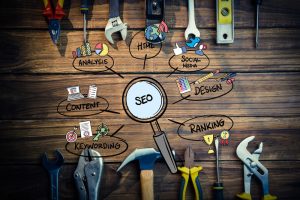
Agencia SEO
La importancia de contratar una agencia SEO en Panamá para impulsar tu empresa
¿Estás buscando aumentar la visibilidad de tu negocio en línea? Entonces, contratar una agencia SEO en Panamá puede ser la

Más de17 AÑOS
Agencia SEO Panamá AMD, líder en el mercado, escuchamos, entendemos, investigamos y analizamos a las empresas, innovando con metodologías y herramientas tecnológicas, Nos enfocamos en resultados y llevamos a nuestros clientes a ser No 1 en el Google.


En AMD agencia de Marketing Digital, ayudamos a Gerentes de Mercadeo, directores de Marketing y Empresarios a posicionar sus sitios web en los primeros lugares de los buscadores, captar clientes potenciales, aumentar ventas, digitalizar su negocio e incrementar la valoración de su compañía. Nuestro proceso está basado en el concepto estratégico, por lo que abordamos cada proyecto con un enfoque analítico, combinando inteligencia artificial, funcionalidad, inmediatez, tendencia y experiencia, para así desarrollar soluciones que marcan la diferencia, haciendo crecer empresas en Panamá.
¿Cuál es nuestra propuesta?
En el entorno digital competitivo, destacamos por un enfoque SEO riguroso y ético. Evitamos tácticas cuestionables y nos enfocamos en estrategias White Hat SEO, alineadas con directrices de motores de búsqueda. Nuestra metodología incluye investigación de palabras clave, optimización de contenido y enlaces de calidad. Priorizamos la experiencia del usuario para aumentar relevancia del sitio y atraer tráfico cualificado.
Revisamos la estructura y configuración del sitio web para asegurarme de que sea accesible y amigable para los motores de búsqueda.
Evaluamos la velocidad de carga del sitio web y optimizo el tiempo de carga para mejorar la experiencia del usuario y el posicionamiento.
Realizamos una investigación exhaustiva para identificar palabras clave relevantes con alto volumen de búsqueda y baja competencia.
Investigamos a tus competidores para tomar decisiones informadas y destacar en tu industria.
Revisamos el contenido existente y desarrollo nuevo contenido relevante y bien estructurado.
Analizamos el perfil de enlaces para asegurarme de su calidad y buscar oportunidades de adquirir enlaces de alta calidad.
Evaluamos la navegación y la experiencia general del usuario en el sitio web e implemento mejoras.
Utilizamos herramientas de análisis web para medir el tráfico y comportamiento del usuario para optimizar el rendimiento del sitio.
En nuestro centro de optimización encontrarás métodos de White Hat SEO, siguiendo las mejores prácticas que tiene en cuenta Google. No te dejes llevar por ofertas atractivas que en realidad ponen en peligro el posicionamiento SEO de tu página web. Contamos con un equipo excepcional de asesores en SEO, con experiencia en clientes de alcance internacional, local y nacional. ¡Conocemos bien nuestra labor!
Sin SEO:
Con SEO:


Somos una agencia de posicionamiento SEO con consultores de seo en Panamá, aliados de la suite de posicionamiento SEO más completas del mundo como lo es SEMRUSH. Nuestros servicios de posicionamiento cuenta con el mejor software SEO para llevar a cabo estrategias efectivas de la mano de nuestros especialistas en posicionamiento web, ya el SEO implica más oportunidades para convertir clientes potenciales en clientes reales
"Herramientas galardonadas en las que confían las empresas líderes mundiales"
14
Premios como la mejor suite de software SEO
7 M
de profesionales de marketing y SEO ya han utilizado Semrush
30%
de las empresas de Fortune 500 utilizan Semrush como su herramienta de marketing
En nuestra agencia, entendemos que cada negocio es único, con objetivos y desafíos específicos. Por eso, ofrecemos un equipo diverso de especialistas en SEO, cada uno experto en una rama particular. Cada especialización aborda desafíos específicos y está diseñada para proporcionar estrategias adaptadas a las necesidades únicas de su negocio.
SEO Empresarial
SEO Técnico
SEO de Contenido
SEO Local
SEO para E-commerce
SEO Internacional
SEO de Voz:
Para las empresas con sitios web grandes y complejos, nuestros especialistas en SEO empresarial ofrecen estrategias a gran escala. Coordinamos estrategias entre equipos, optimizamos la estructura técnica del sitio y utilizamos análisis avanzados para asegurarnos de que su presencia en línea sea sólida y efectiva.
Algunos de los aspectos clave del enterprise SEO incluyen:

Estrategia de SEO a largo plazo:
Las empresas grandes deben tener una estrategia de SEO a largo plazo que se adapte a sus objetivos y necesidades.

Colaboración entre equipos:
El SEO empresarial requiere la colaboración entre equipos, como marketing, desarrollo, diseño web y SEO.

Análisis de datos:
El análisis de datos es fundamental para el SEO, ya que ayuda a los profesionales a identificar oportunidades de mejora.
Los aspectos técnicos del SEO son esenciales para una presencia efectiva en línea. Nuestro equipo de SEO Técnico se encarga de la optimización del archivo robots.txt, la gestión de sitemaps y la resolución de problemas técnicos para garantizar un rendimiento óptimo del sitio.
Indexación del sitio web
Asegura que tu web sea fácilmente encontrada por los motores de búsqueda al garantizar una indexación eficiente de todas tus páginas.
Velocidad de carga web
Optimiza la experiencia del usuario y el posicionamiento en buscadores al acelerar la carga de tu sitio web, mejorando su rendimiento, ya que el tiempo es importante.
Estructura del sitio web
Potencia la visibilidad y navegación de tu sitio mediante una estructura optimizada, facilitando a los usuarios y motores de búsqueda explorar tu contenido.
Seguridad del sitio web
Protege tu sitio contra amenazas cibernéticas y fortalece la confianza del usuario mediante medidas de seguridad efectivas, garantizando una experiencia online segura.
El contenido de calidad es la base de cualquier estrategia de SEO exitosa. Nuestro equipo de SEO de Contenido se centra en la investigación de palabras clave, la creación de contenido valioso y la optimización on-page para estructurar su contenido de manera efectiva.

Investigación de palabras clave
Investigamos los términos más relevantes para tu audiencia y mejora la visibilidad de tu contenido en buscadores mediante una sólida investigación de palabras claves.

Creación de contenido relevante
Desarrolla contenido atractivo y valioso que resuene con tu audiencia, satisfaciendo sus necesidades e intereses para fortalecer tu presencia online y participación

Optimización del contenido
Mejora el rendimiento de tu contenido en los motores de búsqueda mediante técnicas de optimización, asegurando una mayor visibilidad para tus palabras clave.
Si su objetivo es atraer clientes en una ubicación geográfica específica, nuestro equipo de SEO Local se enfoca en estrategias que mejorarán su visibilidad local. Desde la optimización de perfiles en Google My Business hasta la gestión de reseñas locales, le ayudamos a destacar en su comunidad.
Registro del sitio en directorios
Los directorios locales son sitios web que enumeran negocios locales. Los motores de búsqueda utilizan estos directorios para obtener información sobre las empresas. Registrar tu sitio en los directorios es una forma de mejorar tu visibilidad local.
Optimización de perfiles en GMB
Optimizar el perfil de Google My Business (GMB) es importante para cualquier empresa que quiera mejorar su visibilidad local en los resultados de búsqueda. El perfil es una herramienta que proporciona a las empresas crear una presencia online
Las reseñas de clientes en Google My Business
Las reseñas positivas de clientes pueden ayudar a mejorar tu reputación local y tu posicionamiento en los resultados de búsqueda local. Responde a las reseñas de los clientes de manera oportuna y profesional
Uso de las etiquetas de ubicación
Las etiquetas de ubicación son fragmentos de código que indican a los motores de búsqueda la ubicación de tu empresa. Puedes utilizar etiquetas de ubicación en el código HTML de tu sitio web, en las metaetiquetas.
Nuestros especialistas en E-commerce SEO están dedicados a optimizar su tienda en línea. Desde la optimización de productos y la estructura del sitio hasta estrategias de enlace interno, nos aseguramos de que su tienda no solo sea visible, sino que también convierta a visitantes en clientes satisfechos.

Optimización de las páginas de productos
Son esenciales para mejorar el SEO de tu tienda online. Ya que son las que los usuarios visitan para obtener información sobre los productos que ofreces
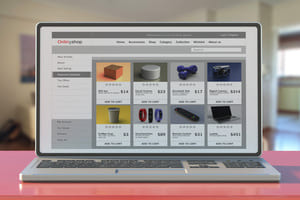
Optimización de las categorías de productos
Son una forma de organizar los productos de tu tienda. La optimización de las categorías ayuda a los usuarios a encontrar los productos que buscan.

Optimización de la estructura de la tienda
Es la forma en que se organizan las páginas de tu tienda. Una estructura sólida ayuda a los usuarios a navegar por la tienda online fácilmente

Optimización de velocidad de carga de la tienda
La velocidad de carga es un factor importante para el SEO. Las tiendas online que tardan mucho en cargarse pueden perder clientes potenciales.
Si su negocio tiene alcance internacional, nuestros especialistas en SEO Internacional trabajan en estrategias que aseguran una experiencia de usuario localizada. Desde la gestión de geolocalización hasta la adaptación del contenido para audiencias globales, mejoramos su visibilidad a nivel internacional.
Optimización para diferentes regiones
La dirección del sitio web, el idioma del dominio y el contenido del sitio web deben estar adaptados a la región de destino.
Traducción del contenido del sitio web
El contenido traducido debe ser preciso, fluido y adaptado al público objetivo de cada región.
Uso de hreflang
Las etiquetas hreflang indican a los motores de búsqueda qué versión de una página web debe mostrarse a los usuarios de diferentes regiones.
Con el auge de las búsquedas por voz, nuestro equipo de SEO de Voz se especializa en la optimización para comandos y búsquedas de voz. Creamos contenido adaptado para respuestas y optimizamos para palabras clave conversacionales.

Uso de palabras clave relevantes
Las palabras clave son las frases que los usuarios utilizan para buscar información en los motores de búsqueda. El uso de palabras clave relevantes en tu sitio web puede ayudarte a que tu sitio web sea encontrado por los usuarios que buscan información sobre los productos o servicios que ofreces.
Creación de contenido de alta calidad
El contenido de alta calidad es contenido que es útil, informativo y atractivo para los usuarios. El contenido de alta calidad puede ayudarte a que tu sitio web sea considerado como una fuente de información confiable y a que los usuarios lo compartan en las redes sociales y adicional atraer posible enlaces.
Optimización para dispositivos de voz
La optimización para dispositivos de voz es el proceso de adaptar el contenido de un sitio web para que sea más fácil de encontrar y entender por los asistentes de voz. Los asistentes de voz, como Siri, Alexa y Google Assistant, están cada vez más populares, por lo que es importante que tu sitio web esté optimizado.
¡Agendemos una reunión pronto!
Asesoría Consultiva

¿Cómo Podemos Ayudarte?
¡ESCRÍBENOS! Déjanos tus datos
Te asesoramos en una estrategia de marketing digital 360 que contemple tácticas de SEO en Panamá que permitan dar a conocer tu empresa como una de las principales de la industria a la que pertenece.
El 75% de las personas nunca van más allá de la primera página de resultados de búsqueda.
Una estrategia de SEO bien estructurada ayudará a que las personas que realmente están buscando tus servicios y productos sean quienes lleguen a revisar tu contenido que les es relevante.
Una persona pasa en promedio siete horas en línea cada día. Por lo que brindar información por medio de contenido relevante y diferencial es necesario para las marcas
Sabías que se prevé que las ventas de comercio electrónico aumentarán a 6.51 billones de dólares en los próximos años. ¿Quieres quedarte por fuera?
El total de usuarios de internet en todo el planeta llegó a los 5.160 millones de personas, es decir, el 64,4% de la población mundial.
No estamos locos, simplemente buscamos marcar la pauta, adaptando estratégicamente las tácticas de la mejor manera posible para tu empresa y tus metas.
Preguntas Frecuentes
La agencia SEO es una empresa que se dedica a mejorar el posicionamiento web SEO y la visibilidad de sus clientes en los motores de búsqueda como Google Bing. Cuando tienes un negocio online, es crucial que la gente te encuentre y te conozca. Aplicar estrategias de SEO para e-commerce permite maximizar la presencia digital y aumentar las conversiones. El E-commerce posicionamiento es clave para destacar en un mercado competitivo, atrayendo tráfico cualificado. Además, conocer los beneficios del posicionamiento web ayuda a implementar tácticas efectivas que optimicen la intención de búsqueda del usuario. ¡Optimiza tu presencia en línea con nosotros y destaca en los resultados de búsqueda!
Una agencia de posicionamiento SEO es una empresa especializada en mejorar la visibilidad de sitios web en los motores de búsqueda. Estas agencias ofrecen servicios como auditoría SEO gratis para evaluar el estado de un sitio y detectar oportunidades de optimización. Si buscas una agencia de SEO en Panamá , es clave elegir una con experiencia en estrategias de tráfico SEO local para atraer clientes potenciales de la zona. Además, complementan su trabajo con campañas de anuncios Google Ads, logrando así un mayor alcance. Todo esto permite potenciar la visibilidad en línea y mejorar la conversión de usuarios en clientes.
Una agencia SEO es clave para potenciar la presencia digital de cualquier negocio, ya que ofrece estrategias para mejorar la visibilidad en los motores de búsqueda. La combinación de email marketing con técnicas de E-commerce posicionamiento permite aumentar la conversión y fidelización de clientes. Además, integrar redes sociales posicionamiento ayuda a fortalecer la marca y alcanzar una audiencia más amplia. Contar con una página web para ver bien estructurada y optimizada es fundamental para la experiencia del usuario. Las agencias de marketing digital especializadas en SEO marketing digital garantizan un crecimiento sostenible y competitivo en el mercado.
Con constante elaboración de contenidos SEO y acciones dirigidas al posicionamiento web en buscadores, puedes aparecer en los primeros puestos de la lista de resultados orgánicos aumentas la probabilidad de que el usuario haga clic en el enlace y así aumentes de esta forma el tráfico orgánico de tu página. ¡Destaca en la web y atrae a tu audiencia con nuestro enfoque estratégico en el posicionamiento web SEO! Ofrecemos servicios como agencia SEO en Bogotá y en Panamá, creando contenido relevante para mejorar tu visibilidad en línea y aumentar tu presencia en línea. Descubre cómo nuestro enfoque digital ofrece servicios para aumentar el tráfico orgánico y potenciar tu presencia en línea.
El SEO es una estrategia clave para aumentar la visibilidad de tu sitio web en los motores de búsqueda y atraer a tus posibles clientes. Una agencia de posicionamiento SEO puede ayudarte a optimizar tu contenido para destacar frente a la competencia, complementando esta estrategia con herramientas como Ads YouTube Ads para llegar a una audiencia más amplia. Además, una agencia especializada en SEO puede combinar el building Google Ads con estrategias orgánicas, logrando resultados efectivos y sostenibles en el tiempo.
El SEO es una herramienta esencial para posicionar tu marca en el entorno digital, adaptándose a diferentes necesidades como el SEO para e-commerce, ideal para tiendas en línea que buscan destacar en la página de resultados de Google. Implementar estrategias como el link building fortalece tu autoridad en línea, mientras que incluir secciones de preguntas frecuentes mejora la experiencia del usuario. Estas acciones no solo ayudan a optimizar un sitio web, sino también a aumentar la presencia en línea de tu negocio. En nuestra agencia de posicionamiento, trabajamos con soluciones integrales que combinan técnicas orgánicas con publicidad como ads YouTube, maximizando tu alcance y garantizando un crecimiento sostenido.
El posicionamiento SEO (Search Engine Optimization) es clave para asegurar que tu sitio web sea fácilmente descubierto por motores de búsqueda como Google. Esta estrategia implica aplicar diversas tácticas con el objetivo de asegurar que tu página aparezca entre los primeros resultados de las búsquedas específicas realizadas por los usuarios. ¡Optimiza tu presencia online con nuestro enfoque especializado en el posicionamiento web SEO! Significa Search Engine, cumplir tus objetivos es nuestro compromiso.
En el contexto de beneficios del E-commerce posicionamiento, es crucial mencionar que al optimizar tu sitio, no solo aumentas su visibilidad, sino que también mejoras su relevancia para que los motores de búsqueda puedan identificar y destacar tus productos. Aplicar estrategias de SEO para e-commerce permite captar tráfico cualificado y mejorar la tasa de conversión. Esto no solo incrementa la probabilidad de que los usuarios encuentren tu página, sino que también fortalece la credibilidad de tu marca. Además, si cuentas con una web en Panamá, el uso adecuado de digital marketing te ayudará a posicionarte en mercados específicos y a competir de manera efectiva en el entorno digital.
Contratar una agencia SEO es una decisión estratégica para cualquier negocio que busque mayor visibilidad y crecimiento digital. A diferencia de la publicidad en Google, que ofrece resultados inmediatos, el SEO posicionamiento web permite un crecimiento sostenido en el tiempo. Complementar estrategias con redes sociales publicidad y sociales publicidad en Google ayuda a atraer más tráfico y mejorar la interacción con los usuarios. Además, una agencia experta en marketing publicidad en Google optimiza cada campaña para lograr conversiones efectivas. Gracias a estas acciones, las empresas pueden alcanzar la primera página de Google y destacar frente a la competencia.
Recuerda, el SEO es una inversión a largo plazo que puede marcar la diferencia en la visibilidad y el éxito de tu sitio web. ¡Haz que tu presencia en línea sea inolvidable!
Sí, es fundamental contar con una empresa de optimización de motores de búsqueda que realice una estrategia de marketing digital de SEO técnico, SEO en contenidos, auditoría SEO de tu sitio y demás aspectos, ya que de esta manera los usuarios encontrarán fácilmente tu negocio. Ten en cuenta que para lograr mejorar los resultados es necesario implementar estrategias que ayuden a seleccionar las palabras claves que permitan rankear tu sitio web, siendo relevantes para tu negocio. Además, la investigación, análisis y estrategia son clave para atraer más tráfico orgánico. Confía en un equipo altamente capacitado y experimentado en SEO para mejorar su presencia en línea. Descubre el potencial del marketing digital en Panamá con nosotros.
El posicionamiento de páginas web es fundamental para destacar en un mercado cada vez más competitivo. A través de estrategias como el SEO posicionamiento para E-commerce, es posible alcanzar a clientes potenciales de manera eficiente. Aunque existen opciones gratis para optimizar una página, invertir en servicios SEO profesionales asegura una estrategia adecuada con resultados más sólidos y sostenibles. Complementar estas estrategias con campañas de web marketing y sociales publicidad en Google puede amplificar tu visibilidad, logrando un equilibrio entre métodos orgánicos y pagados para obtener el mayor impacto posible.
El posicionamiento web es crucial para cualquier negocio que desee aumentar su presencia en línea y alcanzar a su público objetivo de manera efectiva. Trabajar con una agencia de posicionamiento seo asegura estrategias integrales que incluyen seo local seo y técnicas avanzadas como el link building Google. Además, combinar herramientas como Ads Google Ads con estrategias orgánicas puede maximizar los resultados. Incluso para regiones específicas, como el caso de web seo en Panamá, el enfoque correcto puede transformar la visibilidad y el crecimiento de una empresa en el entorno digital.
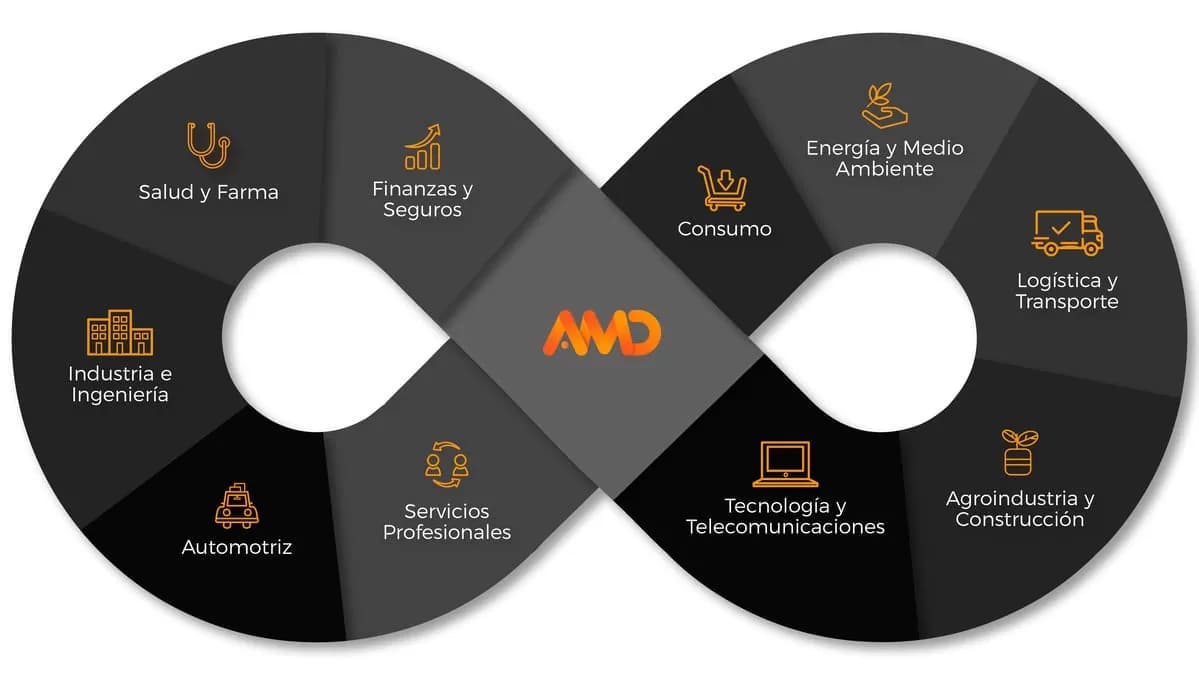
El posicionamiento SEM es el pago de pauta publicitaria en Google Ads, con esta estrategia puedes lograr llegar a los primeros puestos rápidamente. Sin embargo, la plataforma publicitaria también valora el SEO de tu sitio web a la hora de posicionarla, por eso, si piensas en realizar pauta en Google, es ideal que tu página cuente con un excelente SEO. En nuestro servicio de marketing digital, ofrecemos soluciones integrales, desde la creación de sitios web hasta estrategias de e-commerce y publicidad digital, adaptadas a las necesidades de todos los clientes. Además, nos especializamos en diversos sectores, para ofrecer soluciones únicas en cada caso y mantenernos siempre un paso adelante de otros competidores. Confía en nosotros para potenciar tu presencia online con un servicio de posicionamiento web que realmente marque la diferencia.
Juega un papel clave en la mejora del posicionamiento de tu sitio al combinar estrategias pagadas y orgánicas. Una agencia de posicionamiento seo puede implementar campañas efectivas, mientras que herramientas como Google Ads diseñó para atraer tráfico inmediato son esenciales para resultados rápidos. Aunque el SEM se enfoca en la publicidad pagada, también contribuye a generar tráfico orgánico a tu página al aumentar su visibilidad. En regiones específicas, como con una web seo en Panamá, colaborar con las mejores agencias SEO asegura un enfoque integral que maximice la inversión en marketing digital.
El SEM es una herramienta poderosa que complementa estrategias como el SEO para e-commerce, generando resultados rápidos y efectivos. Una agencia especializada en E-commerce posicionamiento puede integrar campañas pagadas y orgánicas para maximizar la visibilidad de tus productos. Al usar plataformas como Google Ads, es posible atraer un flujo constante de usuarios y mejorar el tráfico orgánico a tu página. Incluso en mercados específicos, como una web en Panamá, trabajar con expertos en digital marketing asegura una estrategia integral que fortalezca la presencia y competitividad de tu negocio en línea.
Si estás buscando una agencia SEO en USA o Panamá, siempre debes tener en cuenta que posicionar una página web dentro de los buscadores es un proceso a largo plazo, ya que se debe trabajar constantemente en la optimización de tu página para lograr tus objetivos trazados. Sin embargo, existe una manera de posicionar rápidamente tu sitio con una estrategia alternativa como lo es el pago de pauta a Google. Con un enfoque de posicionamiento web SEO y posicionamiento SEO en buscadores, trabajamos para mejorar la visibilidad de tu sitio de manera relevante, útil y original. Descubre cómo nuestro enfoque puede potenciar tu visibilidad en línea y aumentar tu presencia de manera efectiva.
Los servicios de posicionamiento web suelen requerir tiempo para mostrar resultados, ya que implican estrategias detalladas y análisis constantes. Por ejemplo, una agencia de posicionamiento SEO puede comenzar con una auditoria seo gratis para identificar mejoras, lo que es crucial para optimizar sitios web, incluyendo los de E-commerce. Aunque el proceso no es inmediato, el SEO para e-commerce garantiza resultados a largo plazo al mejorar la visibilidad y el tráfico orgánico. Estas acciones contribuyen a presencia en línea aumentar, consolidando el sitio en los motores de búsqueda de manera sólida y efectiva.
El posicionamiento web SEO requieren tiempo para mostrar resultados, ya que dependen de la autoridad del sitio y la calidad del contenido. A diferencia de Google Ads diseñó, que ofrece visibilidad inmediata, el SEO es un proceso continuo que garantiza beneficios a largo plazo. Integrar estrategias como el marketing en redes sociales y la optimización para motores de búsqueda acelera el proceso y mejora la efectividad. Aunque no es instantáneo, el SEO aumenta el tráfico orgánico de forma estable y duradera. Empresas que invierten en esta estrategia logran un sólido posicionamiento web Panamá y un crecimiento sostenible.
Con el posicionamiento web, podrás aumentar la visibilidad de tu sitio, adquirir mayor tráfico y ventas, ofrecer mejor usabilidad para usuario, ahorrar en pauta publicitaria y obtener reconocimiento de marca. Es importante el posicionamiento web para el éxito de tu negocio. En nuestra agencia de marketing digital innovadora, nos destacamos por ofrecer soluciones personalizadas que te permitirán lograr resultados impactantes. Trabajamos con una amplia gama de servicios que incluyen la recopilación y análisis de datos, todo diseñado para aumentar tus ventas. Posicionarte en internet es el primer paso para llevar a tu sitio web al siguiente nivel. Descubre las últimas tendencias en estrategias de SEO en buscadores y estrategia digital, adaptadas especialmente para dispositivos móviles, en nuestra agencia líder.
El posicionamiento web SEO es una estrategia fundamental para cualquier negocio digital, ya que permite mejorar la visibilidad en los motores de búsqueda. A diferencia de Google Ads diseñó, que ofrece resultados inmediatos mediante anuncios pagos, el SEO se enfoca en el crecimiento a largo plazo. Complementar el SEO con marketing en redes sociales potencia aún más la presencia digital, alcanzando a una audiencia más amplia. La optimización para motores de búsqueda mejora la estructura y contenido del sitio, lo que aumenta el tráfico orgánico de manera sostenible. Empresas que aplican estas estrategias logran un sólido posicionamiento web Panamá, destacándose frente a la competencia.
El SEO es una herramienta imprescindible para cualquier negocio que quiera crecer en el entorno digital. Combinando diseño gráfico atractivo con estrategias de redes sociales posicionamiento, es posible alcanzar a una audiencia más amplia y mejorar la interacción con los usuarios. Además, contar con una página web para ver optimizada facilita la experiencia del usuario y refuerza la presencia online. Implementar SEO marketing digital de manera estratégica, con el apoyo de agencias de marketing digital, permite mejorar el posicionamiento de tú negocio de forma sostenible, logrando mayor visibilidad y crecimiento a largo plazo.
El SEO posicionamiento en Colombia se ha convertido en un aspecto fundamental para las empresas que desean destacar y tener éxito en el entorno digital. No basta con tener un E-commerce con un diseño atractivo, sino que es necesario desarrollar una estrategia adecuada para mejorar la visibilidad en los motores de búsqueda. Implementar técnicas avanzadas de web marketing y complementar con sociales publicidad en Google permite a las empresas aparecer en los primeros resultados de búsqueda y maximizar su alcance en el mercado digital.
Nuestro equipo de expertos en marketing digital y experiencia del usuario puede ayudarte a superar estos obstáculos. Hemos trabajado con una amplia gama de clientes, mejorando su posicionamiento y aumentando la conversión en cada visita. Si tu sitio web no está generando tráfico o los usuarios lo encuentran complicado de navegar, es hora de considerar nuestra agencia SEO en Miami de AMD. Ofrecemos soluciones efectivas y personalizadas, creamos contenido relevante específico de tu negocio, y utilizamos estrategias de marketing en redes sociales para llegar a tus clientes potenciales. Trabajamos contigo para definir objetivos y desarrollar una estrategia que realmente impulse el aumento del tráfico orgánico.
Contratar una agencia SEO es una decisión estratégica para cualquier negocio que busque mayor visibilidad y crecimiento digital. A diferencia de la publicidad en Google, que ofrece resultados inmediatos, el SEO posicionamiento web permite un crecimiento sostenido en el tiempo. Complementar estrategias como redes sociales publicidad y sociales publicidad en Google ayuda a atraer más tráfico y mejorar la interacción con los usuarios. Además, una agencia experta en marketing publicidad en Google optimiza cada campaña para lograr conversiones efectivas. Gracias a estas acciones, las empresas pueden alcanzar la primera página de Google y destacar frente a la competencia.
En el competitivo entorno digital actual, el SEO posicionamiento se ha vuelto esencial para destacar y triunfar. No es suficiente tener un E-commerce con un diseño atractivo; es fundamental implementar una estrategia adecuada que incluya técnicas avanzadas de web marketing. Además, complementar estas estrategias con sociales publicidad en Google permite maximizar la visibilidad y atraer tráfico cualificado. Aplicar estas tácticas de manera efectiva garantiza que las empresas aparezcan en los primeros resultados de búsqueda y se posicionen frente a la competencia.
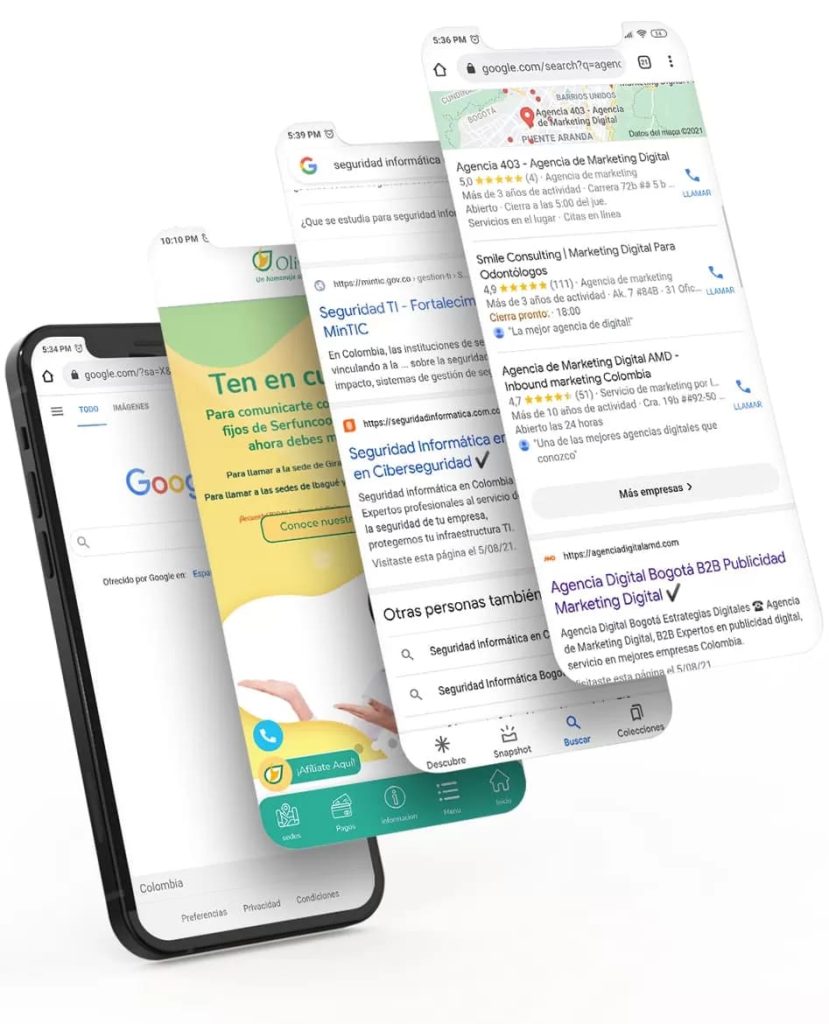
Aunque las campañas de Google Ads (SEM) y Google Maps pueden atraer tráfico, solo representan alrededor del 10% de los clics totales. ¡El otro 90% se encuentra en los resultados orgánicos de Google! Ahí es donde el posicionamiento web SEO marca la diferencia. Nuestra agencia marketing digital puede ayudarte a alcanzar la primera posición en el SERP, maximizando tu CTR y asegurando que no te pierdas el valioso tráfico orgánico a tu sitio. Además, implementamos estrategias basadas en contenido relevante útil y un web diseño de páginas optimizado para mejorar la experiencia del usuario y potenciar la conversión.
No te conformes con menos. Asegura tu presencia en los primeros lugares de Google y descubre cómo el SEO puede impulsar tu éxito digital. Desde análisis de palabras clave hasta optimización para motores de búsqueda, nuestro equipo de expertos en SEO está listo para ayudarte a alcanzar tus objetivos, satisfaciendo las necesidades específicas de tu negocio. Mejora la visibilidad en línea y aumenta la línea de tu negocio. Confía en nosotros para el manejo de redes sociales y la optimización del contenido de tu sitio para obtener los mejores resultados de búsqueda de Google y aumentar el tráfico de visitantes a tu sitio.
Para definir una buena estrategia SEO que satisfaga tus necesidades específicas y te lleve a las primeras posiciones de Google, es crucial considerar varios aspectos clave. A continuación, te guiaré a través de los pasos esenciales para lograrlo, ya sea que elijas trabajar con una agencia de posicionamiento web SEO, una agencia SEO Colombia o SEO para E-Commerce:
Análisis de Situación: Comienza por comprender los objetivos de tu negocio y la visibilidad de tu marca en línea. Realiza una auditoría SEO para evaluar el estado actual de tu sitio web, incluyendo la optimización de palabras clave, la estructura del sitio y el rendimiento en términos de Core Web Vitals.
Keyword Research: El keyword research es fundamental para aparecer en los resultados de búsqueda en Google. Investiga las palabras clave relevantes para tu nicho y público objetivo, considerando las últimas tendencias y tecnologías que influyen en el SEO. Utiliza herramientas como Google Search Console para identificar consultas de búsqueda y oportunidades de palabras clave, alineadas con las tendencias y tecnologías del mercado. Si buscas posicionamiento SEO Panamá, aplicar estrategias avanzadas te ayudará a mejorar el posicionamiento orgánico y aumentar la visibilidad de tu negocio en el entorno digital.
Optimización On-Page y Off-Page: Asegúrate de que tu estrategia SEO incluya tanto la optimización on-page como off-page. Esto abarca desde la creación de contenido de alta calidad hasta la gestión de enlaces de retroceso (backlinks) y la optimización de metaetiquetas.
SEO Local: Si tu negocio tiene un componente local, no descuides el posicionamiento web SEO. Esto implica optimizar tu presencia en Google My Business, obtener reseñas positivas y asegurarte de que tu información de contacto sea coherente en línea. Para fortalecer el E-commerce posicionamiento, es fundamental crear contenido relevante que conecte con tu audiencia. Además, aplicar estrategias avanzadas de SEO el SEO Serch te permitirá mejorar tu visibilidad en los motores de búsqueda. Recuerda que una estrategia basada en clave contenido de calidad es clave para atraer tráfico y convertir visitantes en clientes.
Migraciones SEO Internacional: Si tienes presencia internacional, considera las migraciones SEO internacional para garantizar que tu sitio sea accesible y relevante en diferentes regiones. Implementar un video explicativo en tu estrategia digital puede aumentar el engagement y mejorar la retención de usuarios. Además, optimizar tu contenido para plataformas como Instagram es clave para fortalecer tu imagen corporativo y conectar con una audiencia más amplia. Complementar estas acciones con otras estrategias SEO garantizará un posicionamiento sólido y un crecimiento exitoso en distintos mercados.
Estrategias de Marketing Digital: La estrategia SEO debe integrarse con tus estrategias de marketing digital más amplias, como el inbound marketing y el diseño orientado al crecimiento (Growth Driven Design). Esto asegura una experiencia coherente para tus usuarios.
Presupuesto y Objetivos: Asegúrate de que la agencia de posicionamiento web o SEO que elijas esté dispuesta a ajustarse a tu presupuesto y a alinear su enfoque con los objetivos de tu negocio.
Servicios Inbound Marketing: Considera una agencia que ofrezca servicios de inbound marketing, ya que esto puede complementar tu estrategia SEO y ayudar a atraer tráfico de calidad.
Posicionamiento Orgánico en Buscadores: El objetivo principal es lograr un posicionamiento orgánico en buscadores que te ayude a alcanzar las primeras posiciones en los resultados de Google de manera sostenible.
Medición y Optimización Continua: Implementa herramientas de seguimiento y métricas para medir el rendimiento de tu estrategia SEO. Ajusta y optimiza de acuerdo a nuestra experiencia para mejorar constantemente los resultados.
Una buena estrategia SEO implica una colaboración cercana con una agencia SEO que te ayude a definir una estrategia personalizada según tus necesidades y objetivos específicos. Asegúrate de que la agencia tenga experiencia en SEO, incluyendo servicios de posicionamiento SEO y esté enfocada en la satisfacción de tus necesidades. Con una estrategia sólida y un enfoque a largo plazo, podrás mejorar la visibilidad de tu sitio web y alcanzar tus metas de negocio en línea. Además, asegúrate de elegir agencias de SEO en Panamá que cuenten con un equipo altamente capacitado.
En nuestra agencia, comprendemos la importancia de adaptarse a los cambios en los algoritmos de Google para asegurar la visibilidad óptima. Usamos el Sensor de SEMrush, que nos brinda datos en tiempo real sobre la volatilidad del buscador. Esto nos permite ajustar nuestras estrategias rápidamente, manteniendo el contenido de nuestros clientes relevante y efectivo. Gracias al SEMrush Sensor, anticipamos fluctuaciones importantes y adaptamos tácticas para maximizar la presencia en línea. Este enfoque nos diferencia como una agencia SEO preparada para enfrentar la volatilidad de los buscadores y asegurar el éxito de cada proyecto, haciendo crecer la competitividad de nuestros clientes en el mercado digital.
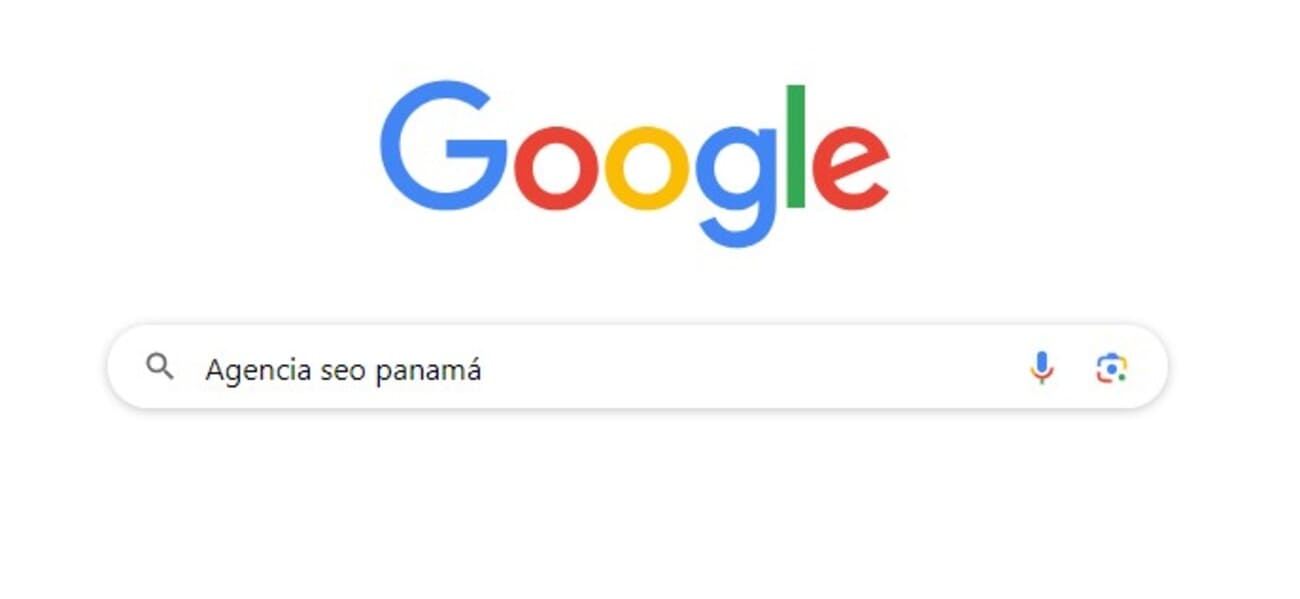
El primer paso consiste en reflexionar acerca de tus metas al tener una página web y cuál será la estrategia de posicionamiento SEO En Panamá que vas a desarrollar. ¿Estás satisfecho de tener un sitio web tradicional, sin un plan de content marketing o deseas mostrarlo con información de valor?
No es que haya algo incorrecto, pero, ¿por qué no ser más audaz? ¡En AMD anhelamos algo mucho mayor para ti! Nuestro propósito como una agencia SEO en Panamá es impulsar tu empresa hacia los lugares privilegiados de Google, atrayendo visitantes cualificados hacia tu sitio web.
Permite que tus potenciales clientes te descubran. No solo aquellos ubicados en Panamá, sino también desde cualquier rincón del planeta. ¿Sabías que más del 80% de los usuarios busca en línea los productos y servicios que necesitan?
Internet es tu vitrina estelar, ¡no la desperdicies! Al alcanzar un sólido posicionamiento en la web, tanto los clientes existentes como los nuevos se sentirán atraídos a visitar tu sitio.
Entonces, lleva tu marca a un nivel superior. Además, una estrategia SEO y de marketing digital eficaz, potencia tu proyecto en múltiples facetas:

¿Estás buscando aumentar la visibilidad de tu negocio en línea? Entonces, contratar una agencia SEO en Panamá puede ser la

¿Estás buscando mejorar la visibilidad de tu negocio en Google? ¡No busques más! Contratar una agencia SEO en Panamá puede

¿Por qué necesitas una agencia SEO para tu empresa en Panamá? La respuesta es simple: para impulsar el crecimiento y
Agencias SEO
Panamá
Ciudad de Panamá
Colombia
Colombia
España
Madrid
E.E.U.U
Miami
Diseño por Agencia de Marketing Digital y hecho con el ❤️ por Diseño de Páginas Web Panamá.